Wed, 9 Dec · 21:00 · +3 days

Admission
Price TBCFound on a public listing
Event #9052Report
About this event
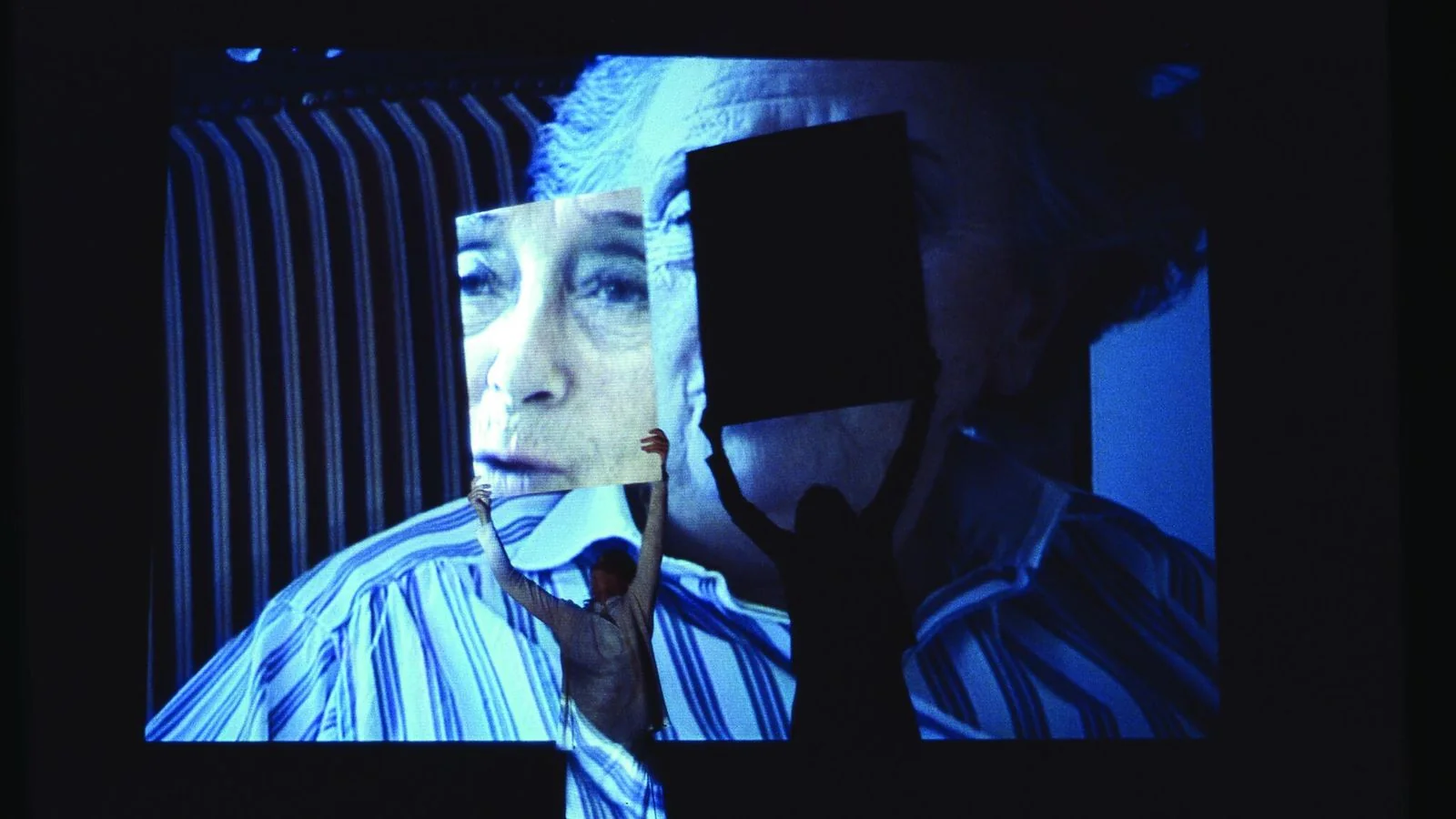
What remains of a performance once the final applause has died away? On 25 June 1946, at the Théâtre des Champs-Élysées in Paris, the premiere of the ballet Le Jeune homme et la mort, conceived by Jean Cocteau and choreographed by Roland Petit, took place. Sixty years later, Olga de Soto has chosen, not to reconstruct the work, but to collect its echoes. True to her penchant for work on how we remember history, the choreographer conducts a sensitive investigation based on unexpected material: the memories of the audience members present that evening. Their accounts, inevitably fragmentary and sometimes contradictory, form a touching reconstruction. Was dancer Nathalie Philippart wearing a red or black cape? Were the virtuoso Jean Babilée’s leaps dazzling or suspended? How accurate these accounts are is less important than the variations that make this narrative a vehicle for transmission, somewhere between dance and documentary performance, a place where collective memory becomes a living work. histoire(s) reveals what transcends time and endures in the hearts of those who witnessed it. Copresentation Charleroi danse
Performances
5 performances · 1 venue21:00—
Théâtre National Wallonie-BruxellesBoulevard Emile Jacqmain, 111, 1000 Brussels
View on map


